


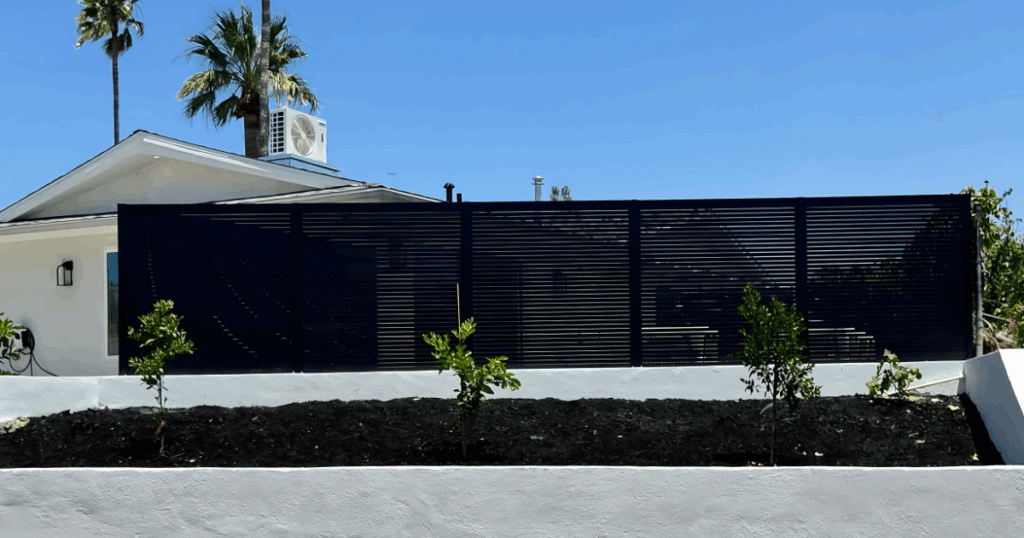
Aluminum fences combine noncombustible performance with low maintenance and strong aesthetics, making them an excellent choice for fire-prone areas. This guide outlines costs, typical project timelines, safety expectations, design tradeoffs and what homeowners should prepare for when choosing aluminum fencing in 2026.
Why aluminum excels in fire zones
Aluminum offers a compelling safety profile for high risk areas. It does not ignite, warp, or fuel a spreading fire. That characteristic reduces risk to structures and vegetation near property lines. Aluminum systems often meet Zone 0 and other noncombustible requirements when specified correctly. Budgeting should reflect certified components, powder coat finishes and corrosion resistant hardware. For technical guidance and regional compliance, review the local aluminum fire guidance at Aluminum gate fire zone guidance. Emphasize professional measurement and materials certification to ensure installation aligns with defensible space goals and homeowners insurance expectations.
Non combustible fence material choices
Selecting noncombustible materials reduces ignition pathways. Common options include properly specified aluminum systems, certain steel treatments and masonry. Each option has tradeoffs in cost, maintenance and appearance. Consider combining materials for function, such as masonry pillars with aluminum infill. For Zone 0 and other approvals explore resources like zone 0 aluminum systems, regional case studies at fire resistant fencing Norco, and local installations at fire resistant fencing Palos Verdes. Match the material to site exposure and maintenance capacity.
Planning costs and realistic budgets
Budget planning starts with a clear scope and site review. Obtain at least two itemized estimates covering material, labor, permits and disposal. Expect variables such as slope work, retaining supports and gate automation to affect cost. Factor long term savings from low maintenance and warranty covered finishes. If design flexibility matters, plan for custom panels or privacy inserts. For contractor selection tips and budgeting strategies see how to choose the right fence contractor. Keep a contingency reserve for unforeseen site conditions and permit fees.
California B2B office furniture marketing
Targeting California businesses requires local nuance and trust. Office furniture sellers should emphasize durability, design flexibility and compliance with California regulations. Reach facility managers by showcasing case studies, clear spec sheets and fast local lead times. Use geo targeted content and map listings so buyers find local installers and showrooms. For in person discovery include a clickable map reference to help buyers locate operations: Find California locations on Google Maps. Present B2B warranties and service agreements that align with corporate procurement needs and sustainability commitments.
Timeline from permit to completion
Expect permitting to influence project duration. Start with a municipal check on setbacks and fire clearance requirements. Typical sequence: site survey, design approval, permit application, material ordering, site prep and installation. Material lead times for powder coated aluminum are usually shorter than custom wood or masonry, accelerating completion. Weather and inspections can extend schedules. Communicate realistic milestones with your installer and schedule inspections early. For benefits tied to aluminum selection read about lifecycle advantages at top benefits of modern aluminum fences.
Installation best practices for safety
Correct installation protects the fence function and fire resilience. Use noncombustible posts, corrosion resistant fasteners and proper drainage to avoid hidden combustible buildup. Maintain defensible space at base and trim vegetation away from panels. Ensure gates have secure latching and no combustible gates adjacent to structures. Document material certifications and installation photos for insurance and compliance. Choose an installer who follows manufacturer torque specs and plumb alignment. For cost comparison insights that influence installation choices see wood versus aluminum cost analysis.
Privacy and airflow considerations
Balancing privacy and airflow matters in fire prone locations. Solid barriers can block ember flow in some scenarios but may also trap heat and alter airflow. Slatted aluminum panels and ventilated designs provide a compromise. Use spacing and panel height to maintain defensible space rules while achieving privacy. Consider planting low fire resistant shrubs on the protected side for aesthetic buffer. Material choice influences both performance and permit acceptance. For installation strategies tailored to California properties see practical guidance at aluminum fence installation CA.
Maintenance that preserves fire resistance
Minimal upkeep keeps aluminum protective qualities intact. Regular cleaning removes debris that can become fuel, and inspections catch loose hardware or finish wear. Reapply protective coatings only with noncombustible compatible materials and replace damaged panels promptly. Avoid wooden cap elements or combustible trim in fire zones. Document maintenance actions for resale and insurance records. Seasonal checks before fire season reduce risk. For practical seasonal tips and upkeep checklists see seasonal maintenance tips for aluminum fences.
Design options for curb appeal
Modern aluminum fencing offers many design directions. Slimline rails, powder coat colors and integrated gates let you match architectural styles. Use vertical or horizontal profiles, decorative finials or privacy panels as visual statements while maintaining safety. Combine masonry posts for a premium look and added mass with aluminum panels for noncombustible performance. Consider finish warranties and colorfast coatings for coastal exposure. To explore privacy design and cost choices see examples at privacy aluminum fence California.
Comparing aluminum with wood and vinyl
Material comparison helps prioritize goals. Wood offers warmth and privacy but needs frequent maintenance and poses higher fire risk. Vinyl resists rot but can soften under high heat. Aluminum resists ignition, keeps profiles slim and often wins on lifecycle cost. Evaluate embodied energy, recyclability and finish durability when choosing. Consider the full ownership cost over 10 to 20 years rather than initial outlay alone. For a deeper look at cost and material tradeoffs consult guidance on aluminum privacy cost and comparisons at aluminum privacy fence cost breakdown.
Working with contractors and permits
Choose a contractor who documents code compliance. Verify local licensing, insurance and permit handling experience. Ask for sample permit sets and inspection records for similar jobs. Clear site photos, written schedules and material data sheets protect both parties. Confirm who orders materials and how change orders are handled. For help finding a knowledgeable professional and contractor selection criteria see how to choose the right fence material which pairs material choice with installer capability.
Next steps and how to get started
Move from research to action with an informed plan. Measure, prioritize safety goals and gather itemized quotes. Select certified noncombustible materials and align design with local defensible space rules. Factor warranty, finish and service into your decision. When you are ready to proceed, streamline the process by ordering from a trusted supplier and coordinating permits early. Design Your Ideal Fence & Gates Today by exploring options and scheduling a consultation to lock in timeline and pricing. Start your custom fence and gates.
Final words
Aluminum fencing offers a fire safe, durable and low maintenance boundary solution with predictable costs and faster timelines than many alternatives. Prioritize certified materials, clear permitting, and a qualified installer. With careful planning you can protect property and boost curb appeal while minimizing long term upkeep.