


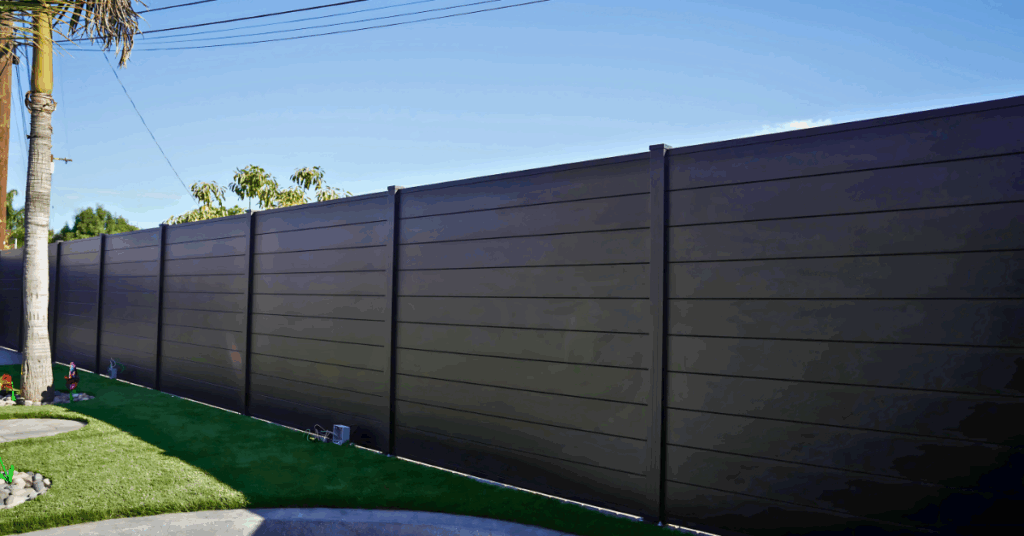
Zone 0 Approved fencing sets a high bar for fire safety and code compliance. This guide explains how non combustible aluminum systems meet Zone 0 standards, the benefits for homeowners near wildlands, installation and maintenance considerations, and how to design a durable, attractive fence that protects property and life.
Understanding Zone 0 Approval
What Zone 0 approval covers and why it matters to homeowners living near wildland interface zones. Zone 0 is the most stringent classification for fire exposure and requires materials and assemblies that resist ignition from embers, flame contact, and radiant heat. Non combustible aluminum systems meet performance criteria when specified with tested connectors and appropriate clearances. For an overview of common considerations and regulatory context see Zone 0 approved fencing. Focus on certified products, clear documentation and early conversations with local officials to avoid rework.
How Non Combustible Aluminum Works
Material behavior and design explain why aluminum is a leading choice for Zone 0 fencing. Aluminum does not sustain flame and dissipates heat quickly. When paired with non combustible posts, brackets and stainless fasteners, the assembly maintains integrity under ember attack. Consider thermal bridging, gaps that limit ember accumulation, and finishes rated for high temperatures. Product testing for radiant heat and ember resistance is critical. For practical application guidance see Zone 0 aluminum systems guide.
Code Compliance and Documentation
Meeting local code requires more than selecting non combustible material. Submit product data, test certificates and installation details when applying for permits. Inspectors look for tested assemblies, compliant hardware, and proper clearances to combustible structures. A specification that lists fasteners, mounting methods and finish information streamlines approvals. If you plan a custom gate or integrated features document those details as well. For examples of compliant product approaches see Zone 0 aluminum fence systems.
Wildfire Safe Fencing Best Practices
Design strategies to reduce wildfire risk focus on material choice, geometry and defensible space. Use non combustible profiles, minimize horizontal ledges that collect debris, and allow visual permeability where code recommends. Regular vegetation management and ember-resistant details near post bases matter. For regional case studies and installation examples consult fire resistant fencing norco, guidance on choosing fire safe fence types at choosing a fire safe fence in high risk fire areas, and local Palos Verdes installations at fire resistant fencing palos verdes ca. These articles highlight tidy details that reduce ember traps and improve defense.
Balancing Safety With Aesthetics
Styling Zone 0 fences allows homeowners to keep attractive streetscapes while meeting safety objectives. Use clean, vertical profiles and slim rails to hide structure without creating debris shelves. Powder coated finishes, integrated cap details, and custom slat spacing deliver a contemporary look. Aluminum can mimic other styles without sacrifice. For ideas on how aluminum elevates outdoor spaces and design benefits see top 8 benefits of modern aluminum fences. Design decisions should be coordinated with your installer early in the project.
Installation Details That Matter
Proper installation ensures the non combustible system performs as intended. Anchor methods, depth of posts, and proper hardware selection affect long term resilience. Avoid mixing incompatible metals near salt air or acidic soils. Follow specified torque values for fasteners and document as installed for permit closeout. If modifying existing foundations evaluate compatibility. For installation steps and professional hints refer to the practical installation guidance at aluminum fence installation ca.
Design Your Ideal Fence and Gates Today
Create a tailored plan by aligning performance goals with desired style. Start by listing priorities: fire safety, privacy, sightlines, and low maintenance. Use mockups and material samples to confirm finish and texture. Work with design resources that offer customization, expert review and installation planning so you can move from concept to build with confidence. For step by step fabrication and gate design inspiration explore how to build a fence gate and local gate styling at garden gate for the los angeles home. Design Your Ideal Fence & Gates Today offers guidance, custom options and project clarity.
Material Selection and Finishes
Choosing profiles and coatings influences durability and appearance. Opt for structural grade aluminum alloys, tested connectors and stainless steel fasteners for long life. Powder coat finishes provide UV and corrosion resistance and are available in many colors to match architecture. Avoid finishes that include combustible backings. Consider modular panels for easier replacement and predictable thermal behavior. For seasonal care and finish preservation strategies see seasonal maintenance tips for aluminum fences.
Budgeting and Long Term Value
Estimating costs should include product, permit, site prep and professional installation. Factor in soil conditions, slope work and special gate hardware. Higher upfront investment in tested non combustible systems reduces replacement and wildfire related risk. Consider lifecycle savings from low maintenance and long service life. For a detailed homeowner cost breakdown consult the fence installation cost guide at fence installation cost guide for homeowners 2026. Plan contingencies for inspection items to avoid delay.
Marketing and B2B Opportunities in California
Office furniture and workplace fit outs intersect with fencing when B2B buyers require boundary and perimeter solutions for campuses and facilities. Position non combustible fencing as a resilience upgrade for commercial properties in fire prone regions. Use targeted outreach to facility managers, specifiers and architects. To show regional presence include an interactive map for prospects to find office and supply locations: Find us on Google Maps in California. Tailor marketing content to emphasize compliance, design flexibility and project delivery reliability for B2B buyers.
Choosing the Right Contractor
Selecting a qualified installer is essential for permit approval and long term performance. Look for contractors with Zone 0 experience, documented installs and references. Ask for test data, warranty terms and a clear installation timeline. Verify insurance and local licensing. Review prior projects that match your scale and finish. For guidance on contractor selection and hiring the right professional see choosing right aluminum fence contractor california. A good contractor will coordinate permits, scheduling and final inspections.
Final Steps Before You Build
Prepare for installation by clearing vegetation, confirming property lines and securing approvals. Confirm panel layout, gate swing and access for equipment. Verify finish samples and confirm fastener schedules in writing. Schedule a pre install walkthrough with the contractor to resolve site specific issues. For reasons to hire pros and to compare savings versus risk review why hiring professional fence builders saves time money stress. Ready to order materials and move from plan to install? Visit our shop to explore options and start your project: Design Your Fence and Gates.
Final words
Non combustible aluminum systems offer a reliable Zone 0 solution that balances safety, longevity and curb appeal. Homeowners should weigh code compliance, installation quality and ongoing maintenance. Use expert design guidance to tailor style, height and hardware to your needs and local requirements. Prioritize certified products and qualified installers to protect property and maximize value.
Frequently Asked Questions
What does Zone 0 approval mean for a fence, and do I legally need it?
Zone 0 is the strictest wildfire safety classification, covering the 0–5 foot zone immediately surrounding your home. Under California’s AB 3074 and the 2025 WUI Code (mandatory statewide as of January 1, 2026), all materials within that zone must be non-combustible — meaning wood fences connected to your house are no longer compliant. For existing homes in Very High Fire Hazard Severity Zones, the compliance deadline is January 1, 2027, with fines of $100–$500 per day for violations after enforcement begins. To understand what Zone 0 approval covers and how it applies to your property, see the full breakdown at Zone 0 approved fencing.
Why is aluminum the preferred material for Zone 0 fencing?
Aluminum is 100% non-combustible it does not burn or contribute fuel during a wildfire, unlike wood or vinyl. When specified with non-combustible posts, stainless steel fasteners, and powder-coat finishes free of combustible backings, the full assembly resists ember attack and radiant heat while maintaining structural integrity. Aluminum also earns a zero flame-spread rating and can be third-party tested and certified, which satisfies insurer and inspector requirements more reliably than alternative materials. For a deep dive into material behavior and tested assembly details, see the Zone 0 aluminum systems guide.
What documentation do I need to get a Zone 0 fence permit approved?
Inspectors and plan checkers look for tested assemblies, not just non-combustible materials so documentation is as important as the product itself. You should submit product data sheets, third-party test certificates (covering ASTM E136, E84, and E2768 Class A fire standards), fastener schedules, finish specifications, and installation details showing clearances to combustible structures. If your project includes a custom gate or integrated access hardware, document those elements as well to avoid permit delays. For examples of compliant product specifications, refer to Zone 0 aluminum fence systems.
What design and installation details reduce wildfire risk most?
The highest-impact design choices involve geometry and debris management: use vertical profiles that minimize horizontal ledges where embers can accumulate, and allow visual permeability where local codes recommend it. At the post base, clear vegetation regularly and use ember-resistant details — gaps that limit debris buildup are critical, since embers can ignite accumulated organic material even against a non-combustible frame. Anchor depth, proper torque on fasteners, and avoiding incompatible metal pairings near salt air or acidic soils all affect long-term performance and permit closeout. Regional installation examples for fire-prone communities are covered in guides for Norco and Palos Verdes.
How much does a Zone 0 compliant aluminum fence cost, and is it worth it?
Budgeting should account for product, permitting, site preparation (including slope work and soil conditions), and professional installation all of which vary significantly by project. While non-combustible aluminum systems carry a higher upfront cost than wood alternatives, they deliver lifecycle savings through low maintenance, no rot or pest treatment, and long service life. Critically, non-compliance with Zone 0 under California law can now trigger insurance non-renewal even before the 2028 state deadline, making the investment a risk management decision as much as a design one. For a full homeowner cost breakdown including contingency planning for inspection items, see the fence installation cost guide for homeowners 2026.